Pip: If you've ever wondered what integrative health looks like when it turns inward — past the supplements, past the protocols, all the way to the architecture of the self — this episode goes there.
Mara: Dr. Jen Wyman-Clemons, MD covers two stretches of territory today: what a dedicated space for fatherhood and masculinity might actually mean, and what it looks like to survive childhood by living entirely in the present tense.
Pip: Let's start with the temple.
Fatherhood And Masculinity
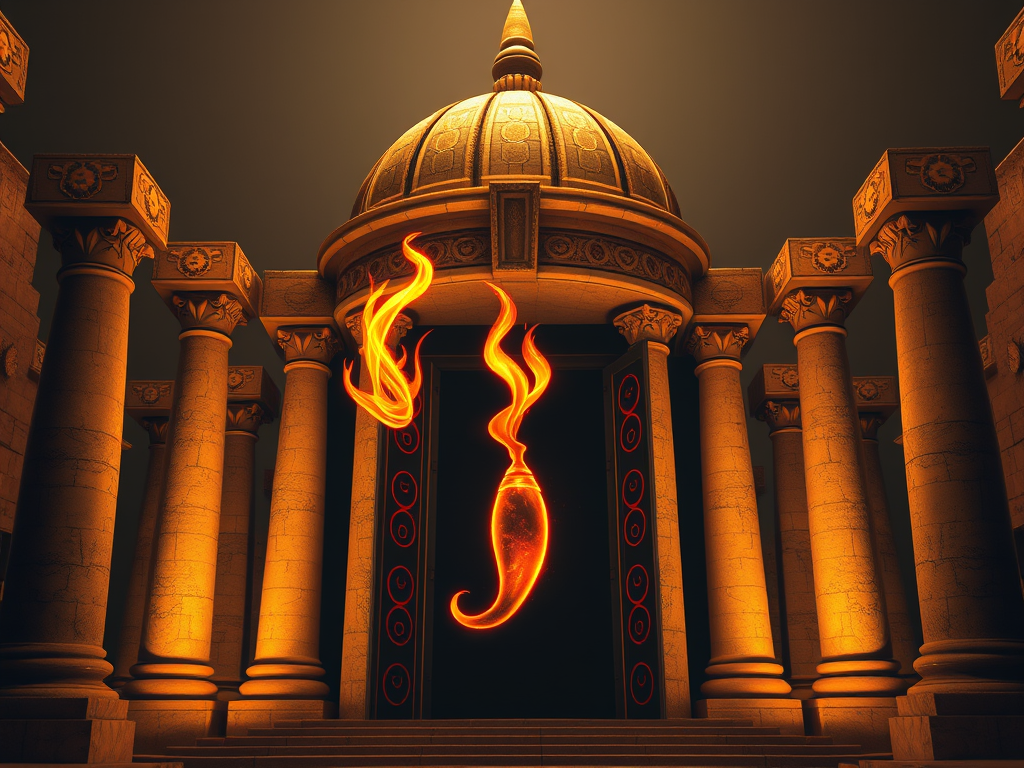
Mara: The post "Church of Fatherhood" asks what a physical and symbolic space devoted to men and fathers would actually look, feel, and function like — not as a retreat from the world, but as a place to reclaim intrinsic worth.
Pip: The architecture is specific. The post reads: "With his voice alone, it only takes one man to create his world as he likes it."
Mara: That's the spine of the piece. The whole design — sound-proofed walls, no echoes, a single entrance symbol — is built around the idea that a man's voice, used with intention and restraint, is the primary instrument of his world-building.
Pip: So the building is essentially a listening booth with better decor. And the post earns that — it connects the physical space directly to the idea that power comes from holding space, not filling it.
Mara: Right. The post makes that explicit: those who speak powerfully with the fewest words tend to dominate relationships, and the temple is designed to model something different — equality through witness.
Pip: The stakes here aren't abstract. This is about what happens when men have nowhere to defuse, dry off, and recenter — the post's own phrase — outside of gyms, bars, and bowling alleys.
Mara: Which leads naturally into what survival looks like when that kind of grounding is absent entirely.
Living In The Moment
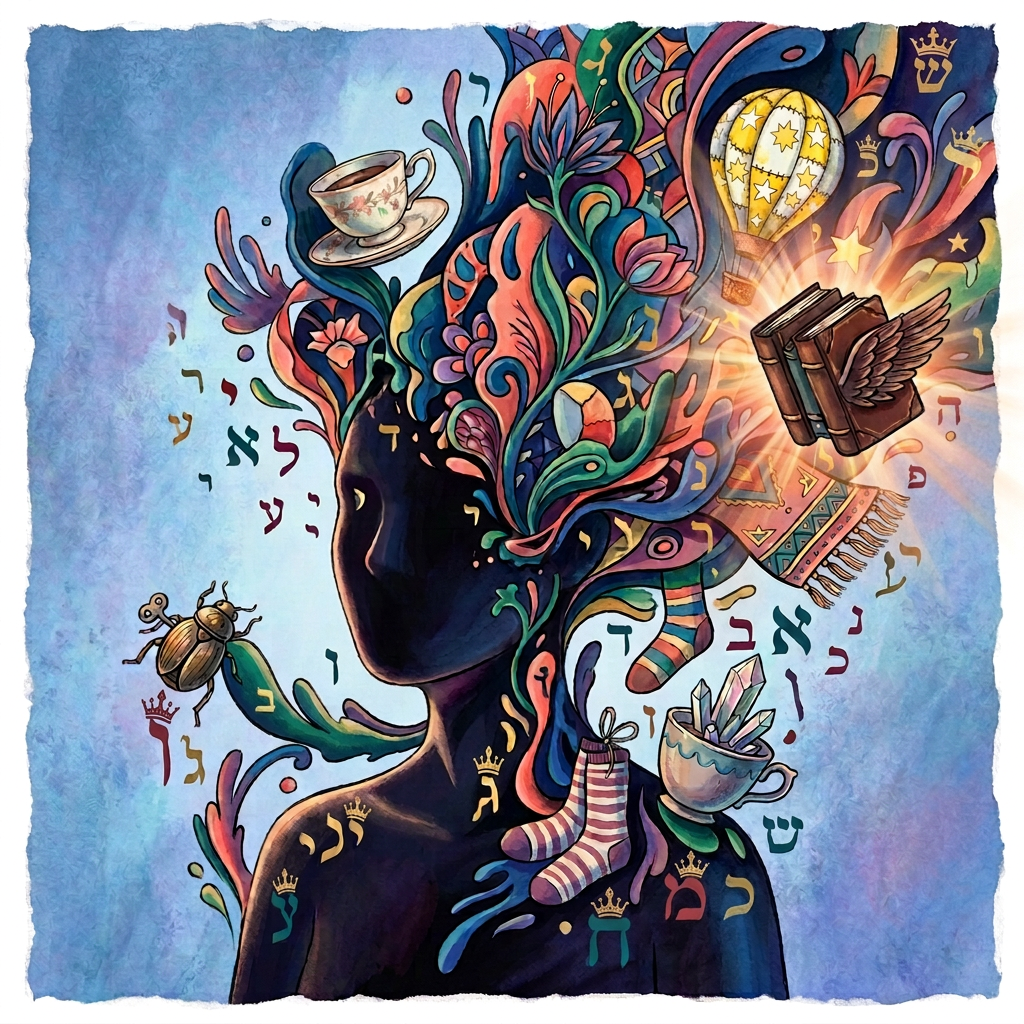
Mara: "Living in the Moment" is a personal essay about childhood — specifically, what it means to live entirely in the present when the present is the only thing that's safe.
Pip: The post doesn't frame it as a wellness practice. It frames it as a survival strategy, and the detail is unflinching.
Mara: The post puts it directly: "We really were living right in the moment, in many ways." That line lands after pages of specific, textured memory — the pressure-cooker rice, the fashion show in a pink negligee, the courthouse fistfight with her brother.
Pip: The specificity is doing real work there. These aren't symbols — they're the actual texture of a contracted existence, which is the post's own phrase for what it feels like to move through childhood unnoticed.
Mara: The post traces how books became a proxy for safety, how a father's withdrawal at age nine shifted everything, and how small pockets of beauty — nature, youth groups, work given at the right moment — became the actual mechanism of survival.
Pip: Not a protocol. Not a framework. Just: find what holds hope and stay close to it.
Mara: And notably, the post ends on a curious observation — that being sick with an infection brought out a gentler self she otherwise couldn't access. She says it always piqued her curiosity, even when she fell back into old patterns.
Pip: Which is quietly a clinical observation dressed as a memoir footnote.
Mara: Both posts are asking the same underlying question: what structures — physical, relational, or internal — actually allow a person to become themselves?
Pip: One designs the building. The other survives without one. More next time.